

TREATMENTS
Lumbar radiofrequency rhizotomy
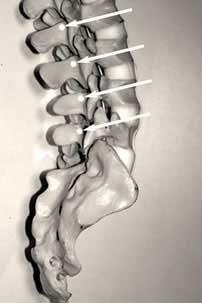
A lumbar RFR procedure is performed for pain that is caused by damaged facet joints. The aim of the operation is to temporarily paralyse the very small nerves that supply the facet joint of pain sensation. This will then bring partial or complete (but usually temporary) relief of the pain, spasm and referred pain that these damaged facet joints can cause.
The reason why your specialist performs this procedure and not a more invasive operation is because he or she is trying to be as conservative as possible in treating your condition. The aim is to treat your symptoms without resorting to a more invasive operation.
When undergoing this procedure, you will be lying on your stomach on bolsters or pillows. Your specialist will use an X-ray machine to guide the needles that are used to do the procedure with. A very thin electrode is inserted through the needles and the nerve that supplies your facet joint is stunned or damaged by radiofrequency generated by a radiofrequency generator.
This procedure is frequently performed following a succesful facet block.
These are not majorly important nerves and it is not dangerous to inactivate them with radiofrequency pulses. When inactivated, these nerves cannot conduct pain sensation from the joint to the brain. This means that the pain sensation from the facet joints decrease or clear up completely. This is, however, a temporary effect and the treatment has to be repeated when the pain returns.
Some of the effects are immediate, but it is quite normal that you may experience pain for about two to three weeks after the procedure. Maximum pain relief is usually experienced at about six weeks after the procedure. The effects can last for a year or more.
Not all people have relief from this procedure and the success rate is quoted as being between 40% and 75%.
Ward care
You may sometimes have a bit of discomfort directly after the procedure, but this will clear up very soon. You will be allowed to move around freely after your procedure.
Discharge
This procedure is usually performed as a day procedure, although in some cases patients might need to stay in hospital overnight.
Rehabilitation
It is incredibly important to get a lot of rest and exercise following your procedure. It is frequently useful to supplement your treatment with physiotherapy and local treatment such as massage therapy and chiropractic treatment.
Follow-up
Routinely you will receive a date for your follow-up appointment with your specialist. This may vary from anything between two and six weeks, but you will be seen earlier if there are any complications. It is important to realise that you will have to protect your back for the rest of your life and apply good back habits (see the section Caring for your Spine). This procedure is part of conservative management, bear in mind that it may fail and further treatment including surgery may be required.


TREATMENTS
TREATING BACK PAIN
Back Care
Back Care
People who have spinal problems have them because of a genetic tendency or susceptibility they have towards spinal disease. The spinal column is one organ and people who have lower back problems frequently will develop, or at the same time have neck problems. Spinal surgery should be reserved for nerve compression and intractable pain that impairs a patients everyday life and functionality substantially. Spinal surgery changes the biomechanics of the spine and frequently leads to further spinal surgery. The mainstay in the treatment of back pain therefore is prevention. This chapter aims to explain how to go about putting as little strain on your spine as possible.
Read MoreTREATING HEADACHES
Headache Care
People who have spinal problems have them because of a genetic tendency or susceptibility they have towards spinal disease. The spinal column is one organ and people who have lower back problems frequently will develop, or at the same time have neck problems. Spinal surgery should be reserved for nerve compression and intractable pain that impairs a patients everyday life and functionality substantially. Spinal surgery changes the biomechanics of the spine and frequently leads to further spinal surgery.
Read MoreTREATING PELVIC PAIN
Pelvic Care
People who have spinal problems have them because of a genetic tendency or susceptibility they have towards spinal disease. The spinal column is one organ and people who have lower back problems frequently will develop, or at the same time have neck problems. Spinal surgery should be reserved for nerve compression and intractable pain that impairs a patients everyday life and functionality substantially. Spinal surgery changes the biomechanics of the spine and frequently leads to further spinal surgery.
Read MoreTREATING FACIAL PAIN
Facial Care
People who have spinal problems have them because of a genetic tendency or susceptibility they have towards spinal disease. The spinal column is one organ and people who have lower back problems frequently will develop, or at the same time have neck problems. Spinal surgery should be reserved for nerve compression and intractable pain that impairs a patients everyday life and functionality substantially. Spinal surgery changes the biomechanics of the spine and frequently leads to further spinal surgery.
Read MoreCONTACT US
This is not an actual appointment form. The below form is to request an appointment,
we will get back to you to confirm if the requested date and time is available.
Have more questions? Feel free to get in touch.